
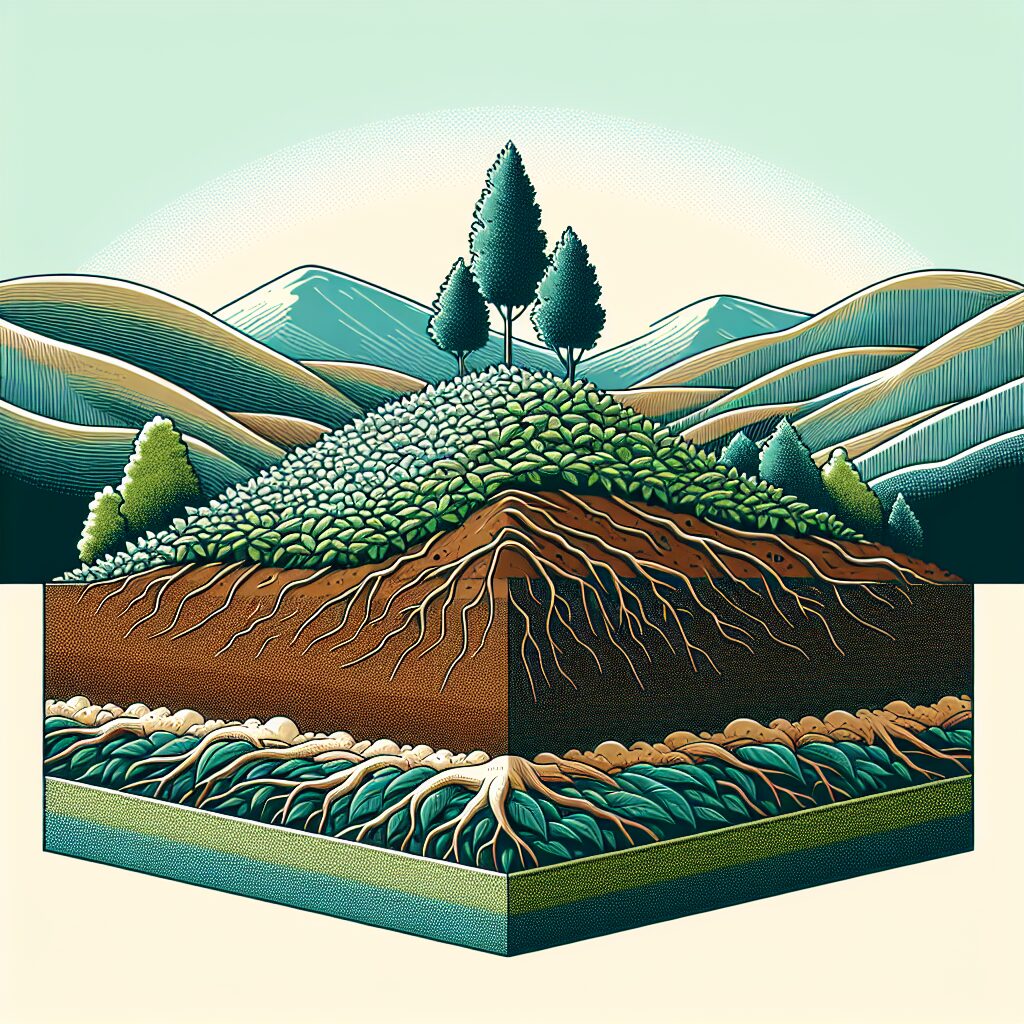
Mulching is a gardening practice that has been around for centuries, often employed by both amateur gardeners and professional landscapers. Whether you live on a hillside, in the flatlands, or in a bustling urban area, the benefits of mulching can significantly enhance soil health. Particularly in hilly regions, where erosion and nutrient depletion are common challenges, utilizing organic and inorganic mulch can transform poor soil into a thriving ecosystem.
Understanding the Role of Mulching in Pleasant Hills
To grasp how mulching improves soil health, it’s crucial to understand its fundamental benefits and why it’s especially valuable in hilly landscapes. Pleasant Hills are prone to issues such as erosion, drainage problems, and uneven soil quality, making the application of mulch not just beneficial, but necessary.
Mulch serves as a protective layer that can mitigate the impact of rain, wind, and temperature fluctuations. By covering the soil, mulch acts as a shield, reducing the risk of erosion and allowing the soil to retain moisture more effectively. This is particularly important on hills, where water runoff can wash away precious topsoil and nutrients.
Types of Mulch for Hillside Applications
When considering pleasant hills mulching services, various types of mulch can be employed depending on the specific needs of your soil. Organic mulches, such as wood chips, straw, and leaves, break down over time, enriching the soil with organic matter as they decompose. This process boosts soil fertility and encourages beneficial microbial activity.
Inorganic mulches, like gravel or landscape fabric, can be used for more permanent solutions, controlling weeds while still allowing water penetration. Deciding which type of mulch to use often depends on the particular plantings and the budget at hand.
Enhancing Soil Structure and Fertility with Mulching
One of the most significant impacts of mulching is its ability to enhance soil structure. A well-mulched hillside not only maintains moisture but also encourages the development of healthy roots. With organic materials slowly decomposing into the soil, they improve the soil’s texture, making it looser and better aerated. This promotes root growth and allows plants to access necessary nutrients more efficiently.
Moreover, as you apply mulching regularly, the soil’s fertility steadily increases. Over time, the nutrient content of the soil can improve dramatically, providing a better environment for all types of flora. This nutrient transformation is crucial in hilly areas where soil can be depleted quickly due to erosion or runoff.
Reducing Weed Growth
Another key advantage of employing pleasant hills mulching services is the reduction of weed growth. Weeds are not just an eyesore—they compete with your desired plants for nutrients, water, and sunlight. By applying a thick layer of mulch, you create a barrier that discourages these unwanted plants from sprouting. This means less time spent weeding and more time enjoying your vibrant garden.
Additionally, when weeds do appear, they are often easier to manage thanks to the cushy mulch layer. The mulch can act as a physical barrier, helping to stifle them, reducing the need for chemical pesticides, which can harm both soil health and the surrounding ecosystem.
Conserving Water and Temperature Regulation
Hillside gardens often face challenges regarding water retention, especially during periods of drought. Mulch plays a crucial role in conserving moisture, significantly cutting down on watering frequency. By keeping the soil moist, mulch ensures that plants have access to adequate hydration, even during hot summer months. This is particularly beneficial in hilly terrains where water is prone to quickly running off rather than soaking into the ground.
Additionally, mulch helps in regulating soil temperature. In cooler climates, it can serve to insulate plant roots from freezing temperatures. Conversely, in warmer months, it keeps the soil cooler and protects it from extreme heat, creating a stable environment for beneficial organisms to thrive.
The Ecological Benefits of Mulching
It’s not only the plants that benefit from mulching; the entire ecosystem does too. In hilly regions, mulch contributes to enhanced biodiversity. As organic mulch decomposes, it attracts a plethora of beneficial insects and microorganisms that play a vital role in breaking down organic matter. These organisms enrich the soil, making it more nutritious for plants.
Moreover, the layering of organic materials can support the growth of earthworms, which aerate the soil further, creating a healthier growing environment. The presence of these creatures indicates a thriving ecosystem, essential for maintaining long-term soil health.
Implementing Effective Pleasant Hills Mulching Services
If you’re considering bringing the benefits of mulching to your hillside garden, finding the right hills mulching services can make all the difference. Professionals can assess your specific landscape needs and provide tailored solutions. They can help identify the best type of mulch for your soil, ensuring that you maximize the beneficial effects discussed here.
When engaging a service, consider factors such as the type of plants in your garden, the slope of your hills, and your overall gardening goals. Whether you seek to enhance aesthetics, improve soil health, or simply reduce maintenance time, with the right mulching approach, you can achieve a beautiful and bountiful hillside garden.
Seasonal Maintenance Tips
Even after applying mulch, some seasonal upkeep is necessary for optimal results. In the fall, adding an additional layer of mulch can provide extra insulation for plants. Springtime is an excellent opportunity to refresh any mulch that may have weathered away during winter.
Regular checks to ensure that the mulch layer remains thick enough to hinder weed growth are also critical. After heavy rains, it’s wise to inspect for any areas of erosion or displacement, making necessary adjustments to maintain the protective layer that mulch provides.
Conclusion
In summary, mulching is an essential practice that enhances soil health, particularly in hilly environments vulnerable to soil erosion and nutrient depletion. By utilizing effective pleasant hills mulching services, gardeners can experience the manifold benefits that come from improved soil structure, moisture conservation, and reduced weed growth.
With ongoing maintenance and strategic application of mulch, you will not only cultivate a thriving garden but also contribute to a healthier ecosystem. So, consider taking that step today towards better soil health on your hill!